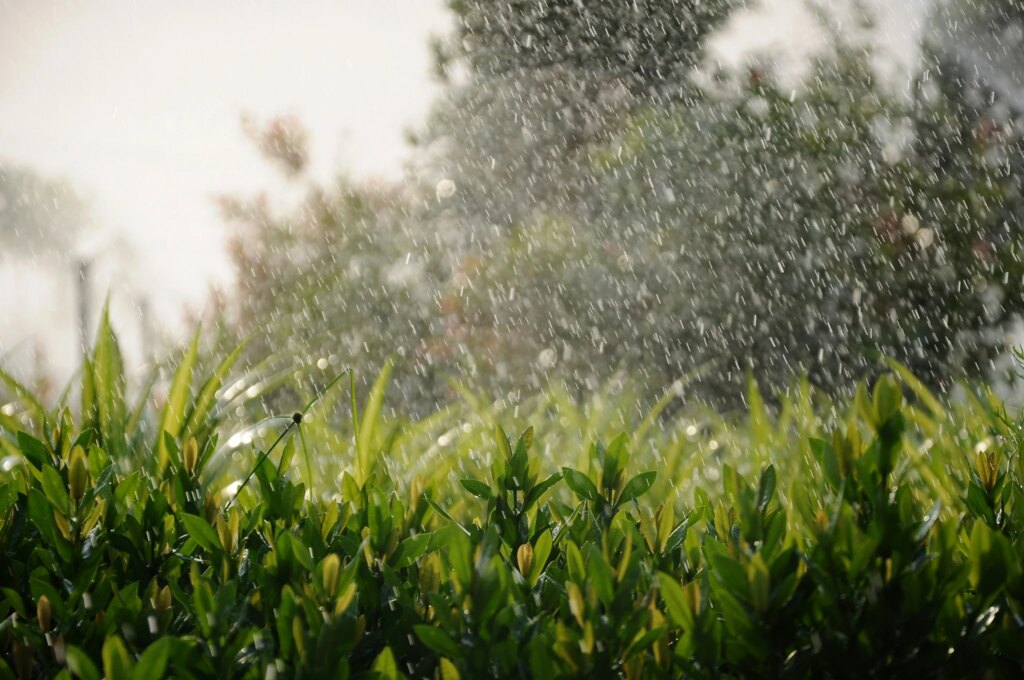
Begin with checking the soil around your plants after a freeze. Your plants may not be getting the water they need if the soil has dried out or if the water in the soil has been frozen. Even damaged plants need water–watering the area can help defrost the soil and provide your plants with an available source of moisture.
Hold off on adding any fertilizer to your plants, if you add it too early you could encourage new growth before the cold weather has gone. Once the frost has passed, an application of fertilizer can help speed up recovery, but it’s best to wait until spring to begin.
Another thing to hold off on is pruning, you don’t want to prune cold-damaged plants right away. Dead foliage can look bad, but it will help insulate plants from further damage. In spring, you can begin to assess the damage by checking the bark with your fingernail. Cold-damaged wood will be brown or black underneath the bark. Wait until plants begin new growth to be certain where to prune. However, if you have plants that have collapsed it would be best to cut them down and remove the plants to prevent fungal or bacterial growth problems as they decay.
After a freeze, your turfgrass may be damaged and if the temperatures fall below 20 degrees Fahrenheit, your yard may be permanently damaged. Having your lawn turn brown during the winter is a normal occurrence. Once spring comes your yard should rebound and start producing new green growth. If your yard doesn’t recover, you may need to replace some of the grass with sod pieces.